

Human trafficking is a brutal crime that deliberately targets society’s most vulnerable. It is the core issue driving Quest Rescue’s mission. Traffickers exploit instability, isolation, and desperation for profit and control—conditions that are most prevalent among marginalized individuals and underserved communities.
Quest Rescue understands that exploitation does not occur in isolation. Homelessness, economic instability, and the disruption caused by natural or man-made disasters create environments where traffickers thrive. For this reason, our work extends beyond direct intervention. We are deeply committed to supporting individuals experiencing homelessness and providing critical assistance during emergencies, when vulnerability is at its highest.
By addressing these interconnected risk factors, Quest Rescue works to disrupt the conditions that allow exploitation to flourish. Our approach is both proactive and responsive—focused not only on removing individuals from harm, but on preventing exploitation before it occurs.
We encourage readers to review the facts and statistics below to better understand the scope, scale, and urgency of this crisis. These realities underscore why prevention, protection, and community resilience are essential in the fight against human trafficking.
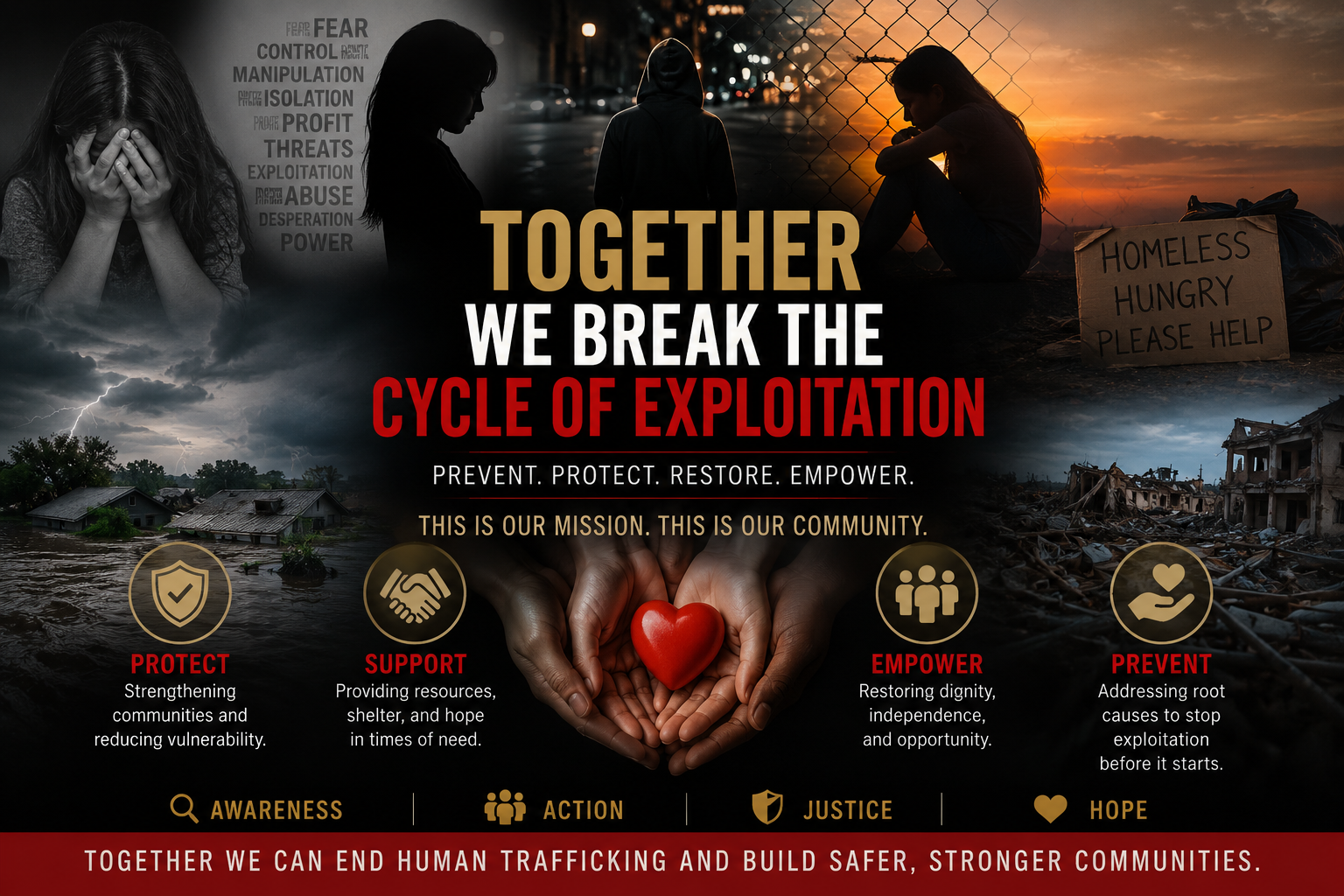
Facts & Statistics
-
Human Trafficking
Human trafficking is the illegal trade of humans for the purpose of exploitation, including sexual exploitation, forced labor, and organ harvesting.
According to the International Labor Organization (ILO), an estimated 49.6 million people were victims of human trafficking in 2025, 44% in sex trafficking, 35% in forced labor and 20% in other catagories such as forced marriage and organ harvesting.
Women and girls are disproportionately affected by human trafficking, accounting for 71% of all victims.
Human trafficking is a highly profitable industry, with an estimated global market value of $300 billion per year.
The majority of human trafficking victims are trafficked within their own countries or regions, although international trafficking is also common.
Children are also frequently targeted for human trafficking, with an estimated 1 in 4 children trafficked and 1 in 3 foster children.
Human trafficking is often linked to other forms of organized crime, such as drug trafficking and arms trafficking.
The internet has facilitated the growth of online human trafficking, with traffickers using social media, dating websites, and other online platforms to recruit and exploit victims.
Human trafficking is a violation of human rights and a serious crime, but it remains a persistent problem, with many countries struggling to address the issue effectively.
-
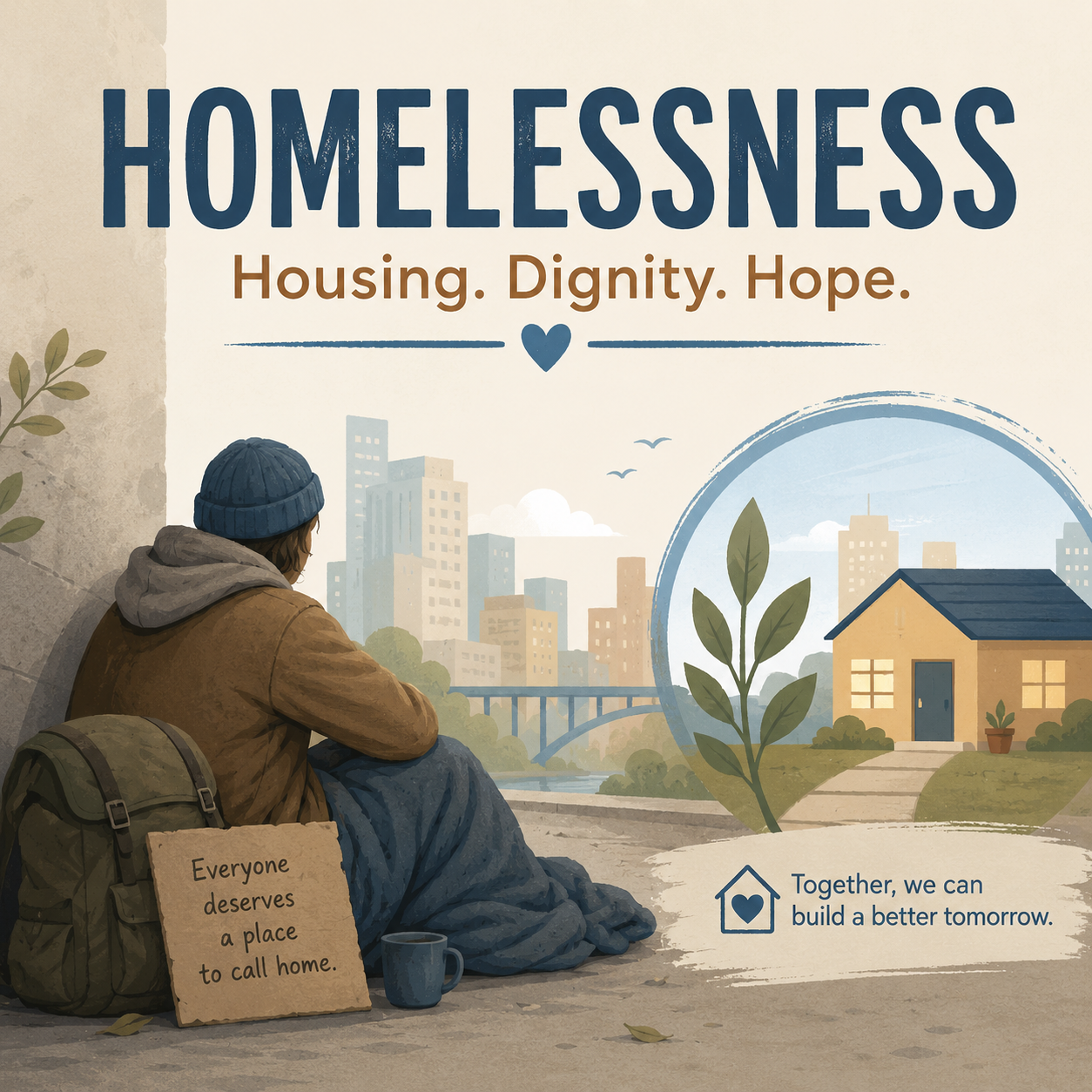
Homelessness
According to the United Nations, there are over 150 million homeless people worldwide.
In the United States, an estimated 567,715 people experienced homelessness on a single night in January 2019.
Homelessness is more prevalent in urban areas, with 65% of homeless people living in cities.
Men are more likely to experience homelessness than women, and African Americans are disproportionately represented among the homeless population.
The primary causes of homelessness include poverty, lack of affordable housing, unemployment, mental illness, and substance abuse.
Homeless individuals face significant health challenges, including high rates of mental illness, substance abuse, and chronic medical conditions such as diabetes and heart disease.
Homelessness is associated with a higher risk of victimization, including assault, rape, and robbery.
Homelessness is expensive for taxpayers, as homeless individuals frequently utilize costly emergency services such as hospital emergency rooms, police departments, and homeless shelters.
Despite efforts to address homelessness, the problem persists, with many cities and countries struggling to provide adequate housing and services to homeless individuals.
-
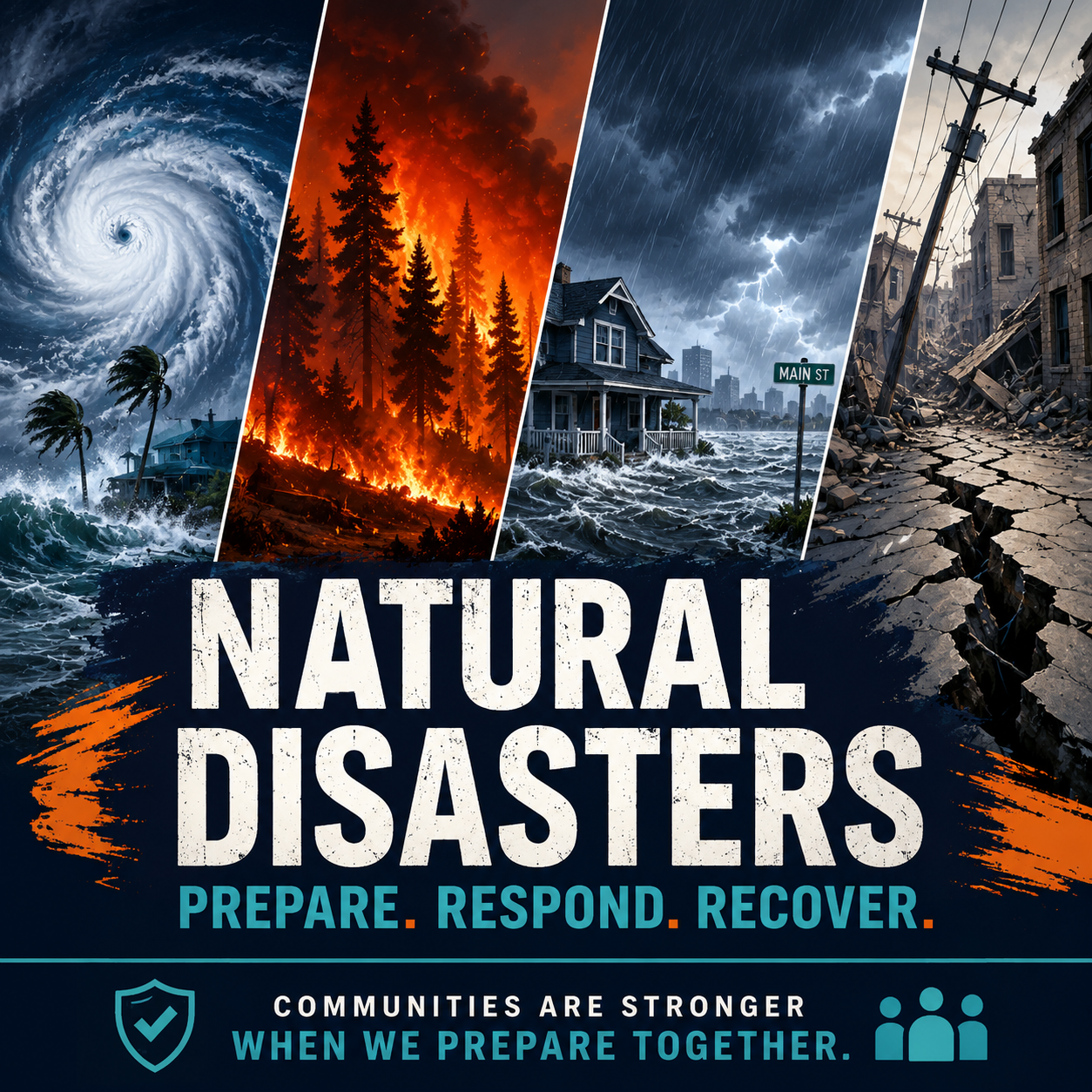
Natural Disasters
Natural disasters are events caused by natural phenomena such as earthquakes, hurricanes, floods, wildfires, tsunamis, and volcanic eruptions.
The frequency and severity of natural disasters have been increasing in recent decades, partly due to climate change and population growth.
According to the United Nations, between 2000 and 2019, there were 7,348 recorded disasters worldwide, resulting in 1.23 million deaths and affecting 4.2 billion people.
The most deadly natural disasters in recent history include the 2004 Indian Ocean tsunami, which claimed over 230,000 lives, and the 2010 Haiti earthquake, which killed an estimated 220,000 people.
Asia is the continent most frequently affected by natural disasters, accounting for 40% of all disasters worldwide.
Floods are the most common natural disaster, affecting millions of people worldwide each year.
Natural disasters can have devastating economic impacts, with estimated global losses of $210 billion per year.
Climate change is expected to increase the frequency and severity of natural disasters, particularly in vulnerable areas such as coastal regions and small island states.
Preparedness and mitigation measures, such as early warning systems, building codes, and land-use planning, can help reduce the impact of natural disasters on communities and individuals.